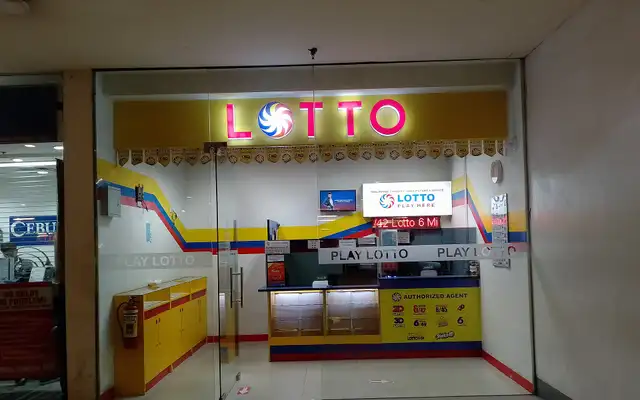
In the Philippines, luck is part of the culture. There are fiesta raffles, birthday numbers, dream interpretations and the occasional “sign” from a jeepney plate. These traditions are part of what makes playing lotto fun with family and barkada. But it helps to know where belief ends and math begins.
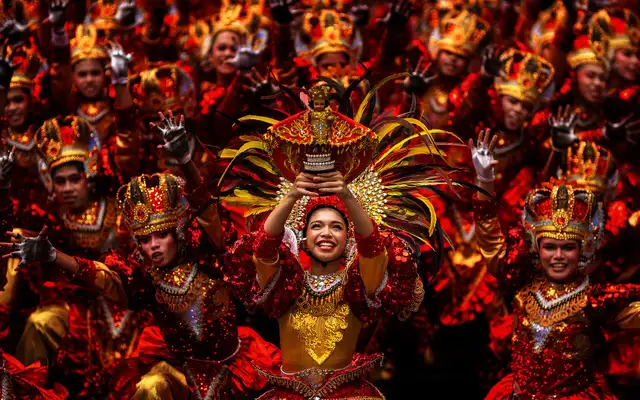
Why we love lucky numbers
Festivals like the Sinulog show how much hope and celebration mean to Filipinos. Picking a meaningful number, like a child’s birthday or a lola’s favorite, turns a random game into something personal. There’s nothing wrong with that. Just remember that the lotto machine doesn’t know your birthday.
Myth 1: “Due” numbers
“Number 23 hasn’t come out in weeks, so it’s due!” This is the classic gambler’s fallacy. Each draw is independent, and every number has the same chance every single time, no matter what happened before.
Myth 2: Hot and cold numbers
Results tables naturally show some numbers appearing more often over a short period. That’s random clustering, not a pattern. Over thousands of draws, the counts even out. Looking at past results on our results hub is fun, but it can’t predict the next draw.
Myth 3: Prediction apps and “sure win” formulas
Be very careful with anyone selling lotto predictions, “guaranteed” systems or “insider” numbers, especially on social media. PCSO draws are designed to be random. Paying for predictions just adds cost without changing your odds, and some offers are outright scams.
What actually helps
- Choose a game with better odds. See odds explained.
- Avoid the most popular patterns (all birthdays, 1-2-3-4-5-6) to lower the chance of sharing a jackpot. Your odds of winning stay the same.
- Set a budget and stick to it. See our budget tips.
- Play for fun with friends. Use our Lucky Pick generator as a party game.
Keep exploring: beginner’s guide · Swertres & EZ2 · all PCSO games.
Content freshness: last reviewed and updated on .